Buy whlz.net ?
We are moving the project
whlz.net .
Are you interested in purchasing the domain
whlz.net ?
domain@kv-gmbh.de · 0541-91531010
Buy whlz.net ?
What is the difference between Economies of Scale and Economies of Scope?
Economies of scale refer to the cost advantages that a business can achieve as it increases its level of production. This can result from factors such as spreading fixed costs over a larger output, bulk purchasing discounts, and more efficient use of resources. On the other hand, economies of scope refer to the cost advantages that arise from producing a variety of products or services together, rather than just one. This can result from shared resources, such as marketing and distribution channels, as well as the ability to leverage a company's core competencies across multiple products or services. **
What are the Tiger economies?
The Tiger economies refer to the highly developed and industrialized economies of East Asia, including South Korea, Taiwan, Singapore, and Hong Kong. These countries experienced rapid economic growth and industrialization in the latter half of the 20th century, transforming from agrarian-based economies to industrial powerhouses. The term "Tiger economies" is derived from the "Four Asian Tigers," which originally referred to South Korea, Taiwan, Singapore, and Hong Kong, but has since been expanded to include other rapidly developing economies in the region. These countries are known for their export-oriented growth strategies, strong manufacturing sectors, and high levels of technological innovation. **


Similar search terms for Economies
Top-Angebote
Products related to Economies:
-
Georgia Boot Comfort Core 5 Orthotic Footbed - M Orange Footwear Accessories*Ergonomic Arch Support in the Georgia Boot Comfort Core 5 Footbed relieves foot fatigue and provides added comfort *Air flow channels provide cool circulation *Footbed can be trimmed *M fits U.S. Men's sizes 6 to 8-1/2 and Women's sizes 8 to 10-1/2...28,00 $*Shipping: 6,95 $Secure redirect to the provider
-
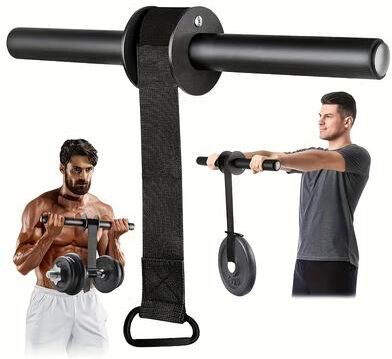
Multisell Products Hub Muscle Training Stick, Iron Wrist Forearm Strengthener, Strength Equipment, Outdoor Sports Gear, Black Universal Size Muscle Training Stick, Iron Wrist Forearm Strengthener, Strength Equipment, Outdoor Sports Gear, Black Universal SBuild Confident Strength at Home The Iron Wrist Forearm Strengthener is designed to help you build controlled power without needing expensive gym equipment. It supports simple, guided wrist and forearm motions that strengthen everyday grip, making...37,97 $*Shipping: 0,00 $Secure redirect to the provider
-
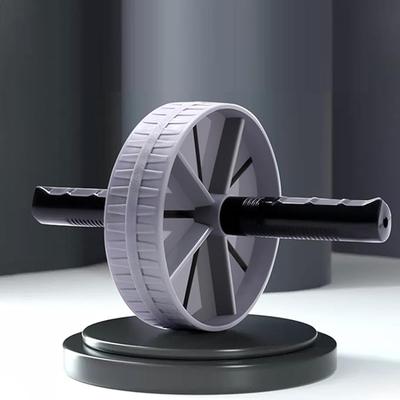
Healfit Counter Home Fitness Equipment, Abdominal Muscle Roller, ABS, Muscle Training, Weight Loss, Core Strength, Gym Accessories Home Fitness Equipment, Abdominal Muscle Roller, ABS, Muscle Training, Weight Loss, Core Strength, Gym AccessoriesTransform your home workouts with the Abdominal Muscle Roller crafted from durable ABS material. Designed to maximize your core strength, this versatile home fitness equipment is perfect for anyone looking to tone their abs, strengthen muscles, and...23,97 $*Shipping: 0,00 $Secure redirect to the provider


-
Are the Tiger economies emerging markets?
Yes, the Tiger economies are considered emerging markets. The term "Tiger economies" refers to the rapidly growing economies of South Korea, Taiwan, Singapore, and Hong Kong. These countries have experienced rapid industrialization, export-led growth, and technological advancement, leading to significant economic development. While they have made great strides in their economic growth, they are still considered emerging markets due to their ongoing development and potential for further growth and expansion. **
-
What are the similarities between planned and market economies?
Both planned and market economies aim to allocate resources efficiently to meet the needs of the society. Both systems involve the production and distribution of goods and services to fulfill demand. Additionally, both systems involve some level of government intervention, with planned economies having more centralized control and market economies having more decentralized decision-making. Both systems also aim to achieve economic growth and improve the standard of living for their citizens. **
-
What is the difference between emerging economies and developing countries?
Emerging economies refer to countries that are experiencing rapid industrialization and growth, often transitioning from a low-income to a middle-income status. Developing countries, on the other hand, are nations that are still in the early stages of economic development, with lower levels of income, infrastructure, and industrialization. While all emerging economies are developing countries, not all developing countries are considered emerging economies. Emerging economies typically have higher growth rates and more advanced industries compared to developing countries. **
-
Can the economies of Sweden and China be easily compared?
The economies of Sweden and China cannot be easily compared due to their significant differences in size, structure, and development. Sweden has a small, open, and highly developed economy with a focus on innovation, technology, and high-value exports. On the other hand, China has a large, diverse, and rapidly growing economy with a focus on manufacturing, infrastructure development, and export-led growth. Additionally, Sweden has a strong welfare state and high levels of income equality, while China has a more diverse income distribution and a different approach to social welfare. Overall, the differences in size, structure, and development make it challenging to directly compare the economies of Sweden and China. **

What is the difference between developing countries and emerging economies?
Developing countries and emerging economies are often used interchangeably, but there is a subtle difference between the two. Developing countries typically refer to nations with low levels of industrialization, low per capita income, and high poverty rates. On the other hand, emerging economies are countries that are experiencing rapid economic growth, industrialization, and modernization, and are moving towards becoming developed nations. Emerging economies often have higher levels of foreign direct investment, infrastructure development, and technological advancement compared to developing countries. **
What are the advantages and disadvantages of barter and monetary economies?
Barter economies allow for the direct exchange of goods and services without the need for a common medium of exchange, which can be advantageous in a situation where there is a lack of currency or a stable monetary system. However, barter economies can be inefficient and time-consuming, as finding someone who has what you need and also wants what you have can be challenging. On the other hand, monetary economies provide a widely accepted medium of exchange, making transactions more convenient and efficient. However, they can also lead to issues such as inflation, economic inequality, and the potential for financial crises. **
Top-Angebote
Products related to Economies:
-
Shoekeeper Men's Shoe Stretcher & Spray - M Other Footwear Accessories*Expand your shoes to the perfect fit *Shoe stretch spray softens leather *Screw-driven shoe stretcher expands leather to eliminate pinching *Metal plugs included for spot stretching *Kit includes one stretcher and one bottle of 4 oz. spray *Sizes:...54,95 $*Shipping: 6,95 $Secure redirect to the provider
-
StayWell Portable Inflatable Pillow, Camping Equipment, Folding Compressible Air Cushion, Outdoor Protective Sleeping Gear Portable Inflatable Pillow, Camping Equipment, Folding Compressible Air Cushion, Outdoor Protective Sleeping GearUpgrade your outdoor adventures with the Portable Inflatable Pillow, a musthave addition to your camping equipment and travel essentials. Designed with comfort, portability, and durability in mind, this compact pillow ensures restful sleep wherever...21,97 $*Shipping: 0,00 $Secure redirect to the provider
-
Georgia Boot Comfort Core 5 Orthotic Footbed - M Orange Footwear Accessories*Ergonomic Arch Support in the Georgia Boot Comfort Core 5 Footbed relieves foot fatigue and provides added comfort *Air flow channels provide cool circulation *Footbed can be trimmed *M fits U.S. Men's sizes 6 to 8-1/2 and Women's sizes 8 to 10-1/2...28,00 $*Shipping: 6,95 $Secure redirect to the provider
-
Multisell Products Hub Muscle Training Stick, Iron Wrist Forearm Strengthener, Strength Equipment, Outdoor Sports Gear, Black Universal Size Muscle Training Stick, Iron Wrist Forearm Strengthener, Strength Equipment, Outdoor Sports Gear, Black Universal SBuild Confident Strength at Home The Iron Wrist Forearm Strengthener is designed to help you build controlled power without needing expensive gym equipment. It supports simple, guided wrist and forearm motions that strengthen everyday grip, making...37,97 $*Shipping: 0,00 $Secure redirect to the provider
-
What is the difference between Economies of Scale and Economies of Scope?
Economies of scale refer to the cost advantages that a business can achieve as it increases its level of production. This can result from factors such as spreading fixed costs over a larger output, bulk purchasing discounts, and more efficient use of resources. On the other hand, economies of scope refer to the cost advantages that arise from producing a variety of products or services together, rather than just one. This can result from shared resources, such as marketing and distribution channels, as well as the ability to leverage a company's core competencies across multiple products or services. **
-
What are the Tiger economies?
The Tiger economies refer to the highly developed and industrialized economies of East Asia, including South Korea, Taiwan, Singapore, and Hong Kong. These countries experienced rapid economic growth and industrialization in the latter half of the 20th century, transforming from agrarian-based economies to industrial powerhouses. The term "Tiger economies" is derived from the "Four Asian Tigers," which originally referred to South Korea, Taiwan, Singapore, and Hong Kong, but has since been expanded to include other rapidly developing economies in the region. These countries are known for their export-oriented growth strategies, strong manufacturing sectors, and high levels of technological innovation. **
-
Are the Tiger economies emerging markets?
Yes, the Tiger economies are considered emerging markets. The term "Tiger economies" refers to the rapidly growing economies of South Korea, Taiwan, Singapore, and Hong Kong. These countries have experienced rapid industrialization, export-led growth, and technological advancement, leading to significant economic development. While they have made great strides in their economic growth, they are still considered emerging markets due to their ongoing development and potential for further growth and expansion. **
-
What are the similarities between planned and market economies?
Both planned and market economies aim to allocate resources efficiently to meet the needs of the society. Both systems involve the production and distribution of goods and services to fulfill demand. Additionally, both systems involve some level of government intervention, with planned economies having more centralized control and market economies having more decentralized decision-making. Both systems also aim to achieve economic growth and improve the standard of living for their citizens. **
Similar search terms for Economies
-
Healfit Counter Home Fitness Equipment, Abdominal Muscle Roller, ABS, Muscle Training, Weight Loss, Core Strength, Gym Accessories Home Fitness Equipment, Abdominal Muscle Roller, ABS, Muscle Training, Weight Loss, Core Strength, Gym AccessoriesTransform your home workouts with the Abdominal Muscle Roller crafted from durable ABS material. Designed to maximize your core strength, this versatile home fitness equipment is perfect for anyone looking to tone their abs, strengthen muscles, and...23,97 $*Shipping: 0,00 $Secure redirect to the provider
-
Uplift Picks Kids Nerf Tactical Vest Kit With Battle Gear And Protective Accessories 02Every mission feels more real when kids are fully geared up for action. This nerf tactical vest kit gives young players everything they need to jump straight into imaginative battles. Designed for comfort and durability, it keeps darts, clips, and...96,50 $*Shipping: 0,00 $Secure redirect to the provider
-
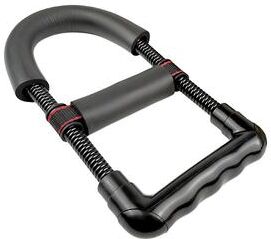
Discount Dollar Deals Adjustable Forearm And Wrist Strength Trainer, Compact Portable Fitness Gear For Arm Muscle Building, Exercise Equipment blackAre you looking to strengthen your forearms and wrists for better grip, improved fitness, or enhanced performance in sports The Adjustable Forearm and Wrist Strength Trainer is your perfect fitness companion! This portable, compact piece of exercise...69,97 $*Shipping: 0,00 $Secure redirect to the provider
-
What is the difference between emerging economies and developing countries?
Emerging economies refer to countries that are experiencing rapid industrialization and growth, often transitioning from a low-income to a middle-income status. Developing countries, on the other hand, are nations that are still in the early stages of economic development, with lower levels of income, infrastructure, and industrialization. While all emerging economies are developing countries, not all developing countries are considered emerging economies. Emerging economies typically have higher growth rates and more advanced industries compared to developing countries. **
-
Can the economies of Sweden and China be easily compared?
The economies of Sweden and China cannot be easily compared due to their significant differences in size, structure, and development. Sweden has a small, open, and highly developed economy with a focus on innovation, technology, and high-value exports. On the other hand, China has a large, diverse, and rapidly growing economy with a focus on manufacturing, infrastructure development, and export-led growth. Additionally, Sweden has a strong welfare state and high levels of income equality, while China has a more diverse income distribution and a different approach to social welfare. Overall, the differences in size, structure, and development make it challenging to directly compare the economies of Sweden and China. **
-
What is the difference between developing countries and emerging economies?
Developing countries and emerging economies are often used interchangeably, but there is a subtle difference between the two. Developing countries typically refer to nations with low levels of industrialization, low per capita income, and high poverty rates. On the other hand, emerging economies are countries that are experiencing rapid economic growth, industrialization, and modernization, and are moving towards becoming developed nations. Emerging economies often have higher levels of foreign direct investment, infrastructure development, and technological advancement compared to developing countries. **
-
What are the advantages and disadvantages of barter and monetary economies?
Barter economies allow for the direct exchange of goods and services without the need for a common medium of exchange, which can be advantageous in a situation where there is a lack of currency or a stable monetary system. However, barter economies can be inefficient and time-consuming, as finding someone who has what you need and also wants what you have can be challenging. On the other hand, monetary economies provide a widely accepted medium of exchange, making transactions more convenient and efficient. However, they can also lead to issues such as inflation, economic inequality, and the potential for financial crises. **
* All prices are inclusive of VAT and, if applicable, plus shipping costs. The offer information is based on the details provided by the respective shop and is updated through automated processes. Real-time updates do not occur, so deviations can occur in individual cases. ** Note: Parts of this content were created by AI.